Question 1 – The basics
Examples of three lighting sources and their function
- Continuous light is the typical light you have in your home, such as light bulbs or fluorescent lamps. In a more professional setting you have LED lights or HMI lights. The advantage to this is that you can adjust the lighting on your subject and instantly see the results. However the power usage may cause it to be too costly to use in a studio.
- Flash Guns are external flash units, that you mount on your camera, or off to the side. These are very portable and great to use in situations when you need to take photos with an extra light source in a flash (pun intended (I’m so sorry)).
- Studio strobes are large and powerful lights, that operate indepently from the camera. These come in two formats: Monolights and Head & Power Packs. The Head & Power Pack is a setup where the flash heads are connected to a power pack, where you adjust the light settings. The monolights however has their own power source, for each individual light, and is also portable. Each of these lights has their own light settings. For a more complex lighting setup it might be desirable to use a Head & Power Pack, because you can adjust everything from one place, but this setup can also be quite expensive.
Name two light modifiers and explain the difference between them
- Umbrellas are used to diffuse the light directly to the subject, while also bouncing light around the environment an onto the subject.
- Softboxes are also used to diffuse the light, but they block off light to the sides, which lets you control its direction, with a more narrower angle of light
How to set up three-point lighting
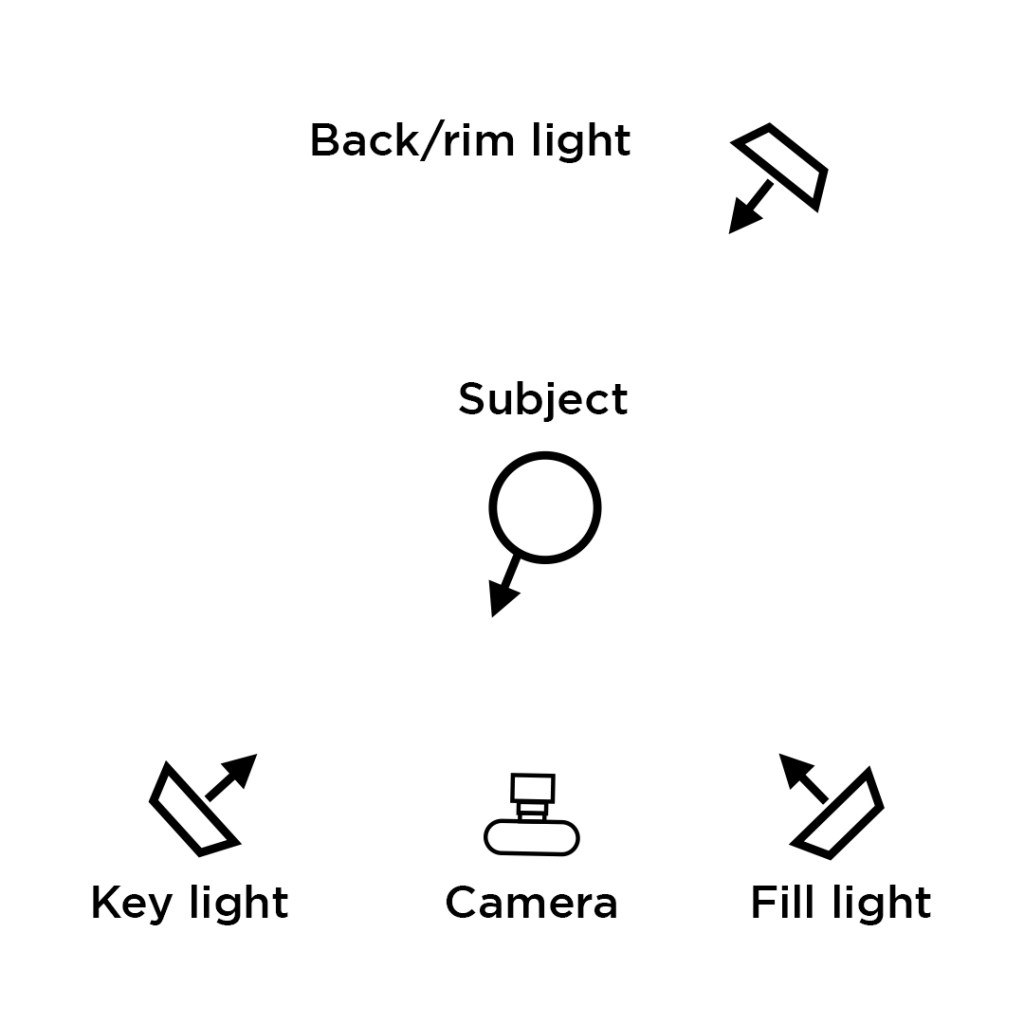
A key light, which is the most intense light, is placed to the side of the camera, angled 45 degrees towards the subject.
A lower intensity light is placed on the other side of the camera, also angled at 45 degrees.
Finally place a rim light behind, directed to the back of the head, creating a rim of light, which helps separate the subject from the background and creates more three-dimensionality.
Question 2 – Portrait, fashion and beauty shots
How to set up shots for portrait, fashion and beauty
Portrait:
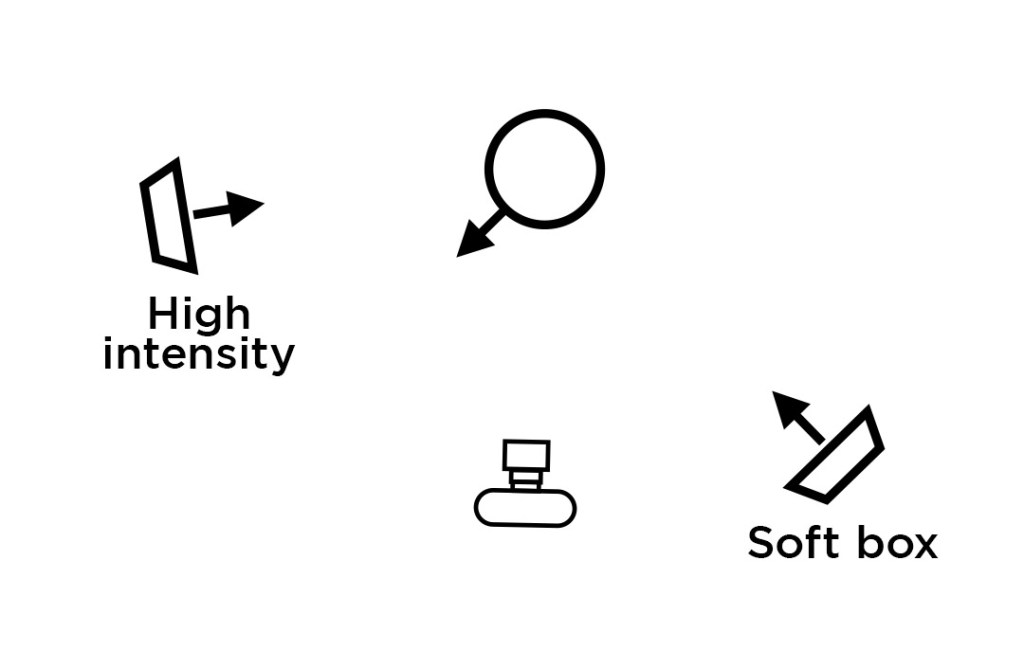
I like my portraits dark and moody, so a LED panel, set to a high intensity, to the left and another low-intensity LED-panel to the right, slightly behind the camera. Both LEDs have diffusers. This will help create an interesting portrait, with soft transitions.
Fashion:
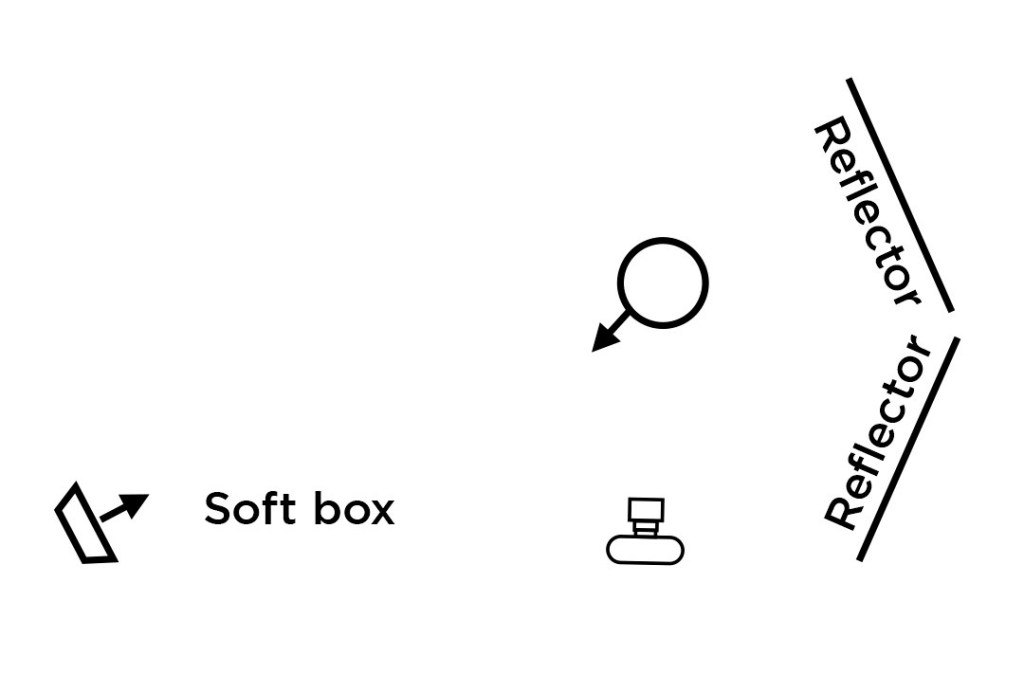
Here I would need a high intensity strobe light in a soft box, to create the dramatic, yet soft lighting associated with fashion photography, the two reflectors are placed to soften the transition from light to shadow, and should be further away from the subject than in the illustration.
Beauty:
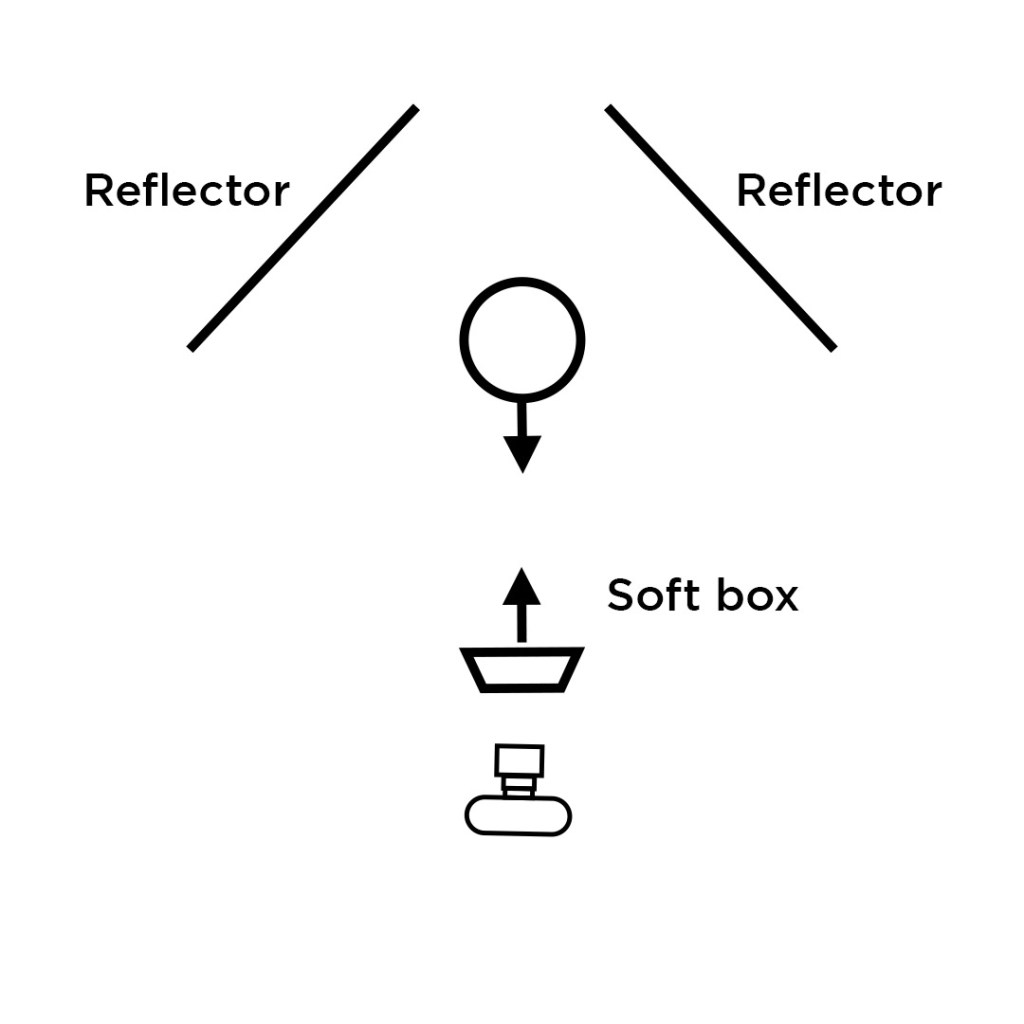
Here I want to smooth out the skin, so I will use a studio flash in a soft box or umbrella, with two reflectors angled behind the subject.
Analyzing portrait, fashion and beauty shots
Portrait:
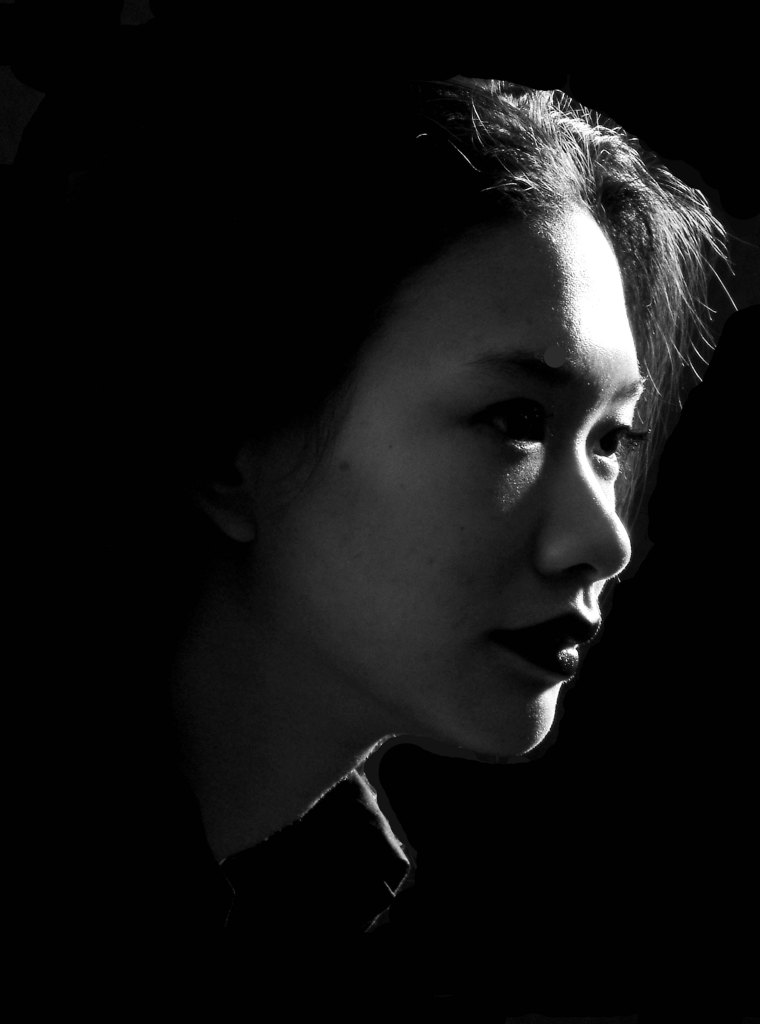
Here we have a high-intensity light from the back-right, slightly above the subject’s eyeline. It seems like the light is either bounced back by a reflector to the left, behind the camera. OR it could be a low-intensity light with a soft box.
Fashion:
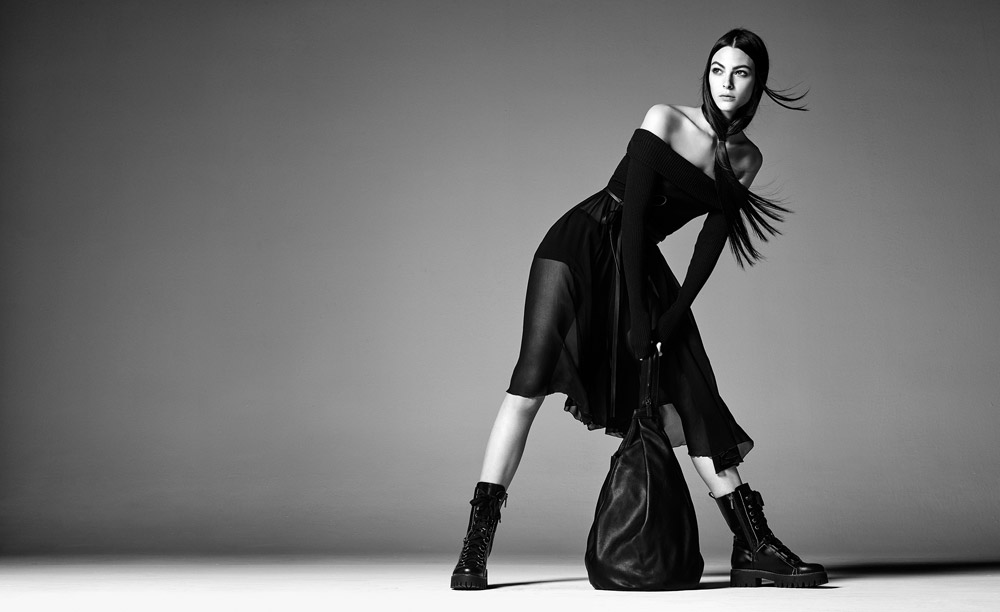
I’m not quite sure how this was achieved, but I would guess it’s a single strobe light with a soft box, placed to the front-left, the cast shadows reveals the angle of the light, and there is most likely a big reflector bouncing the light back into the shadows, together with the white backdrop.
Beauty:
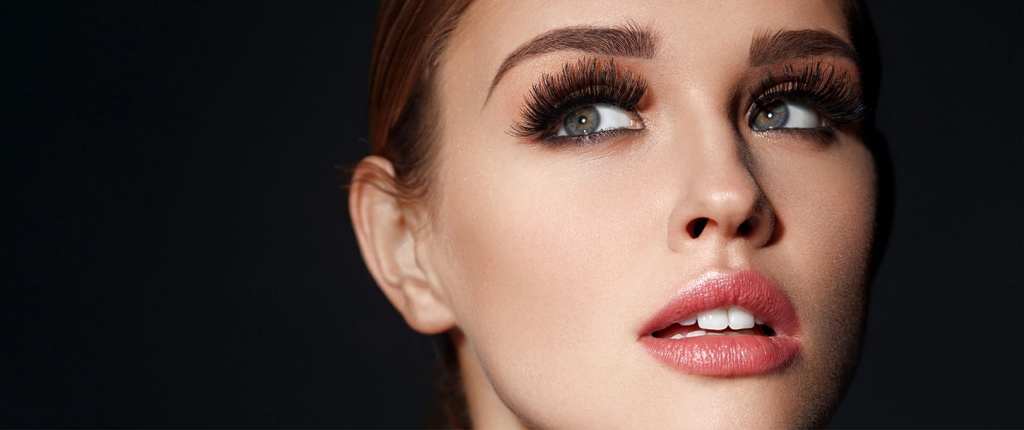
The light is fairly close to the subject here, lit slightly down and towards the right, which you can see in the shadows of the nose. The light probably uses a soft box or an umbrella.
Question 3 – Take some portrait shots
Hard lighting:
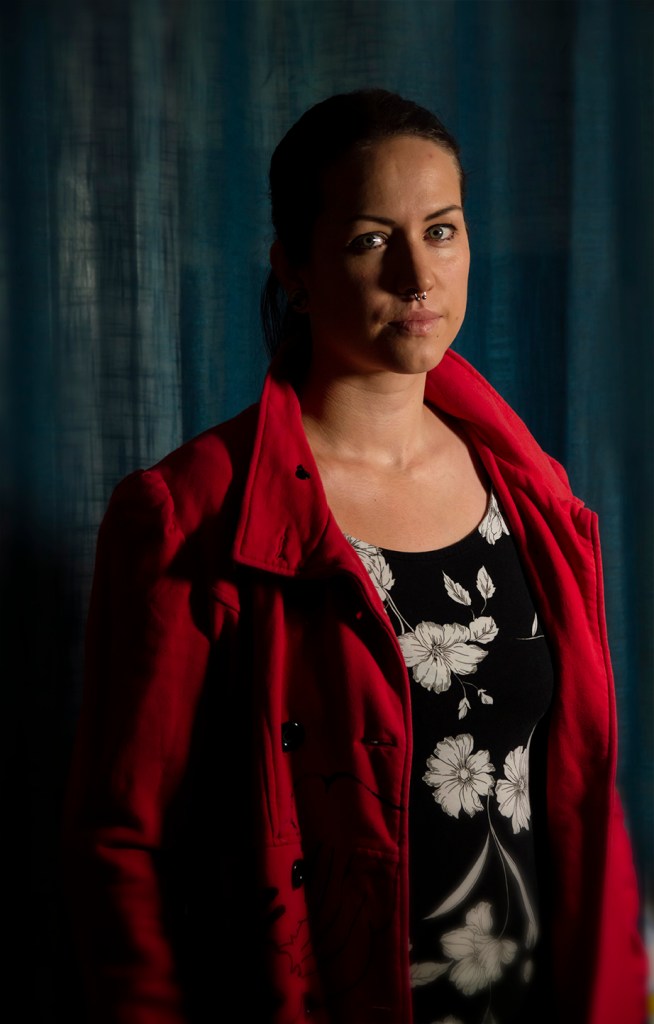
Here I used a single high-intensity LED-light, directed towards the side of the face, while trying to get the classic Rembrandt lighting, which is the triangle of light on the cheek, on the other side of the nose. The window behind the curtain is reflecting some light on the curtain, making some contrast between her and the background.
Soft lighting:
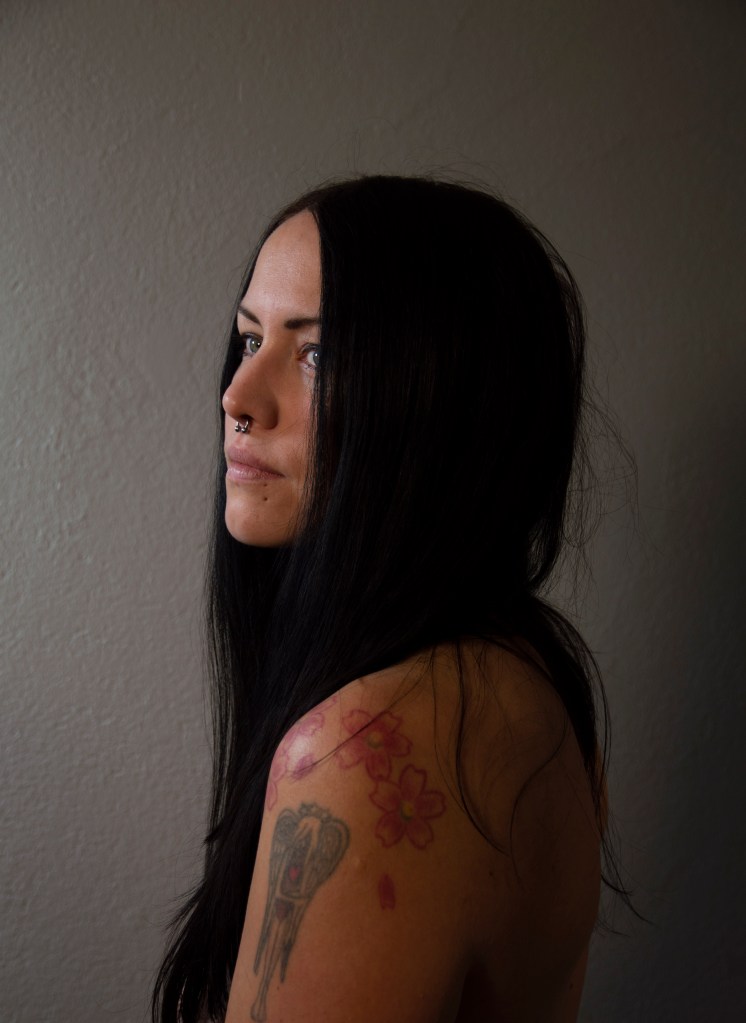
This is a photo I made for the Mandatory Assignment this month, so I might as well reuse it here. I used a three-point lighting in the basement, with three diffused LED panels, but ended up using only a soft key light and another one to the back-left, with a colder temperature. The bright wall in the narrow basement hallway also bounces some light, softening those shadows even more.
 My Reflective Journal
Leave a comment