The RGB and CMYK color systems explained
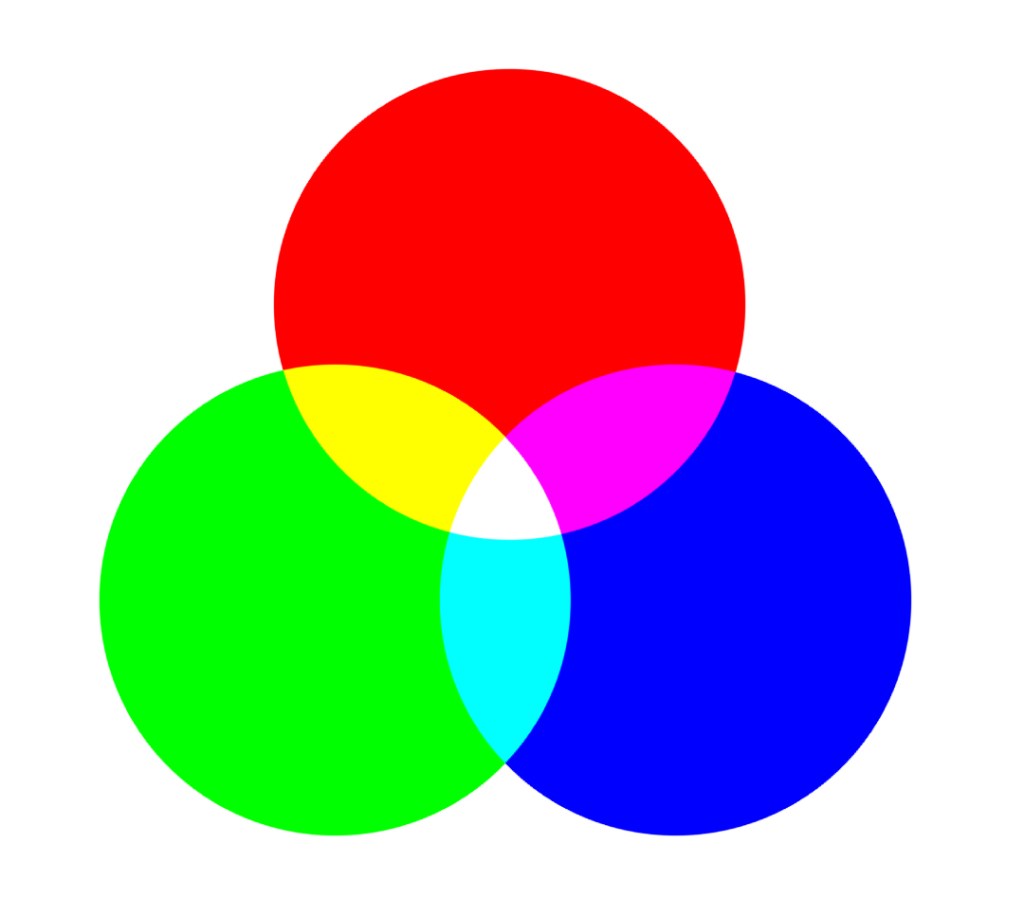
RGB
The RGB color system is an additive system, meaning that you add the primary colors: red, green and blue, to get white, which is the “color” of light. By mixing the colors with each other one time, you will get the secondary colors: cyan, magenta and yellow. This system is used for digital images, and it’s preferable to work in this system for as long as possible, before converting to a CMYK system, because this gives you access to all the effects and filters.
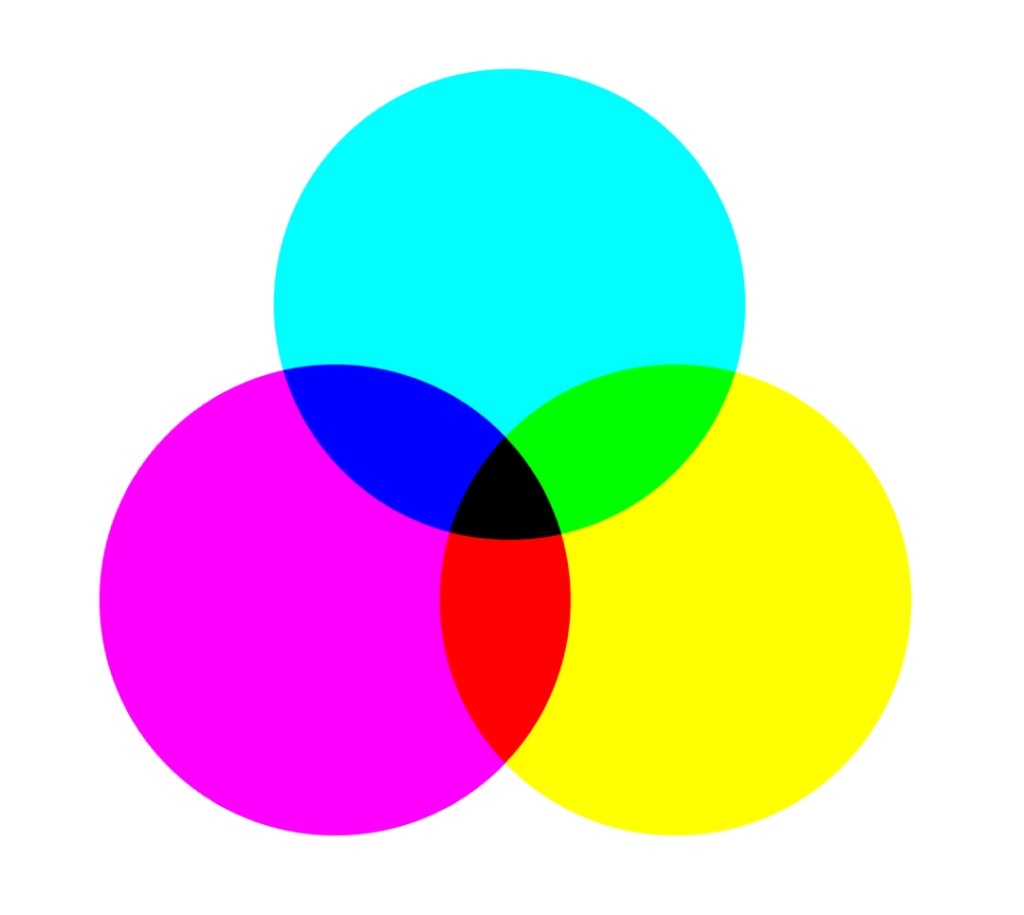
CMYK
The CMYK color system, is the opposite of the RGB color system, and is used in physical media, such as print and paint. It is an subtractive color system, meaning that mixing together all the primary colors: cyan, magenta and yellow, should give you the color black. This color is actually a muddy brownish color, so an additional black ink, called Key, was added to save costs and to make deeper blacks available. Mixing them with each other will produce the secondary colors: red, green and blue.
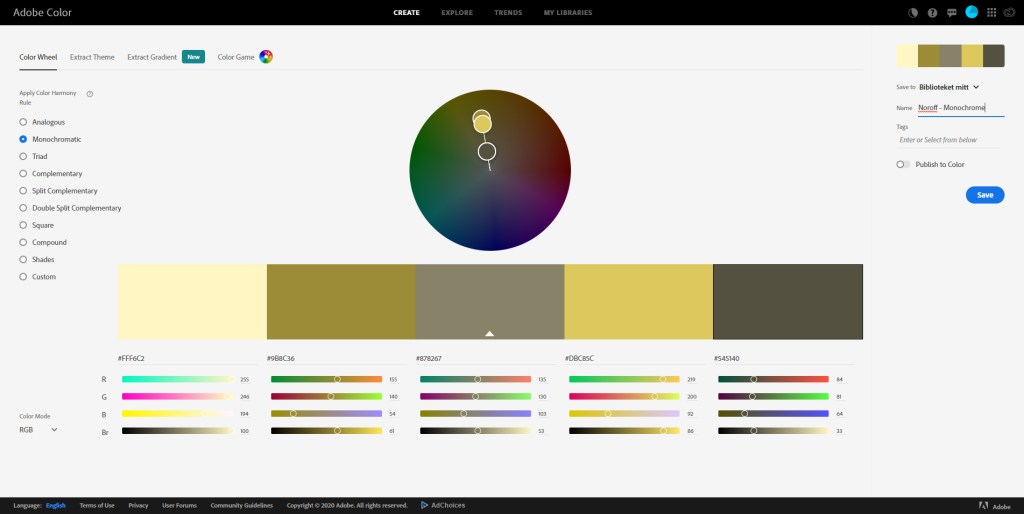
Making color schemes with Adobe Color
We looked at Adobe Color this week, and were asked to create four Adobe Color schemes:
Monochromatic
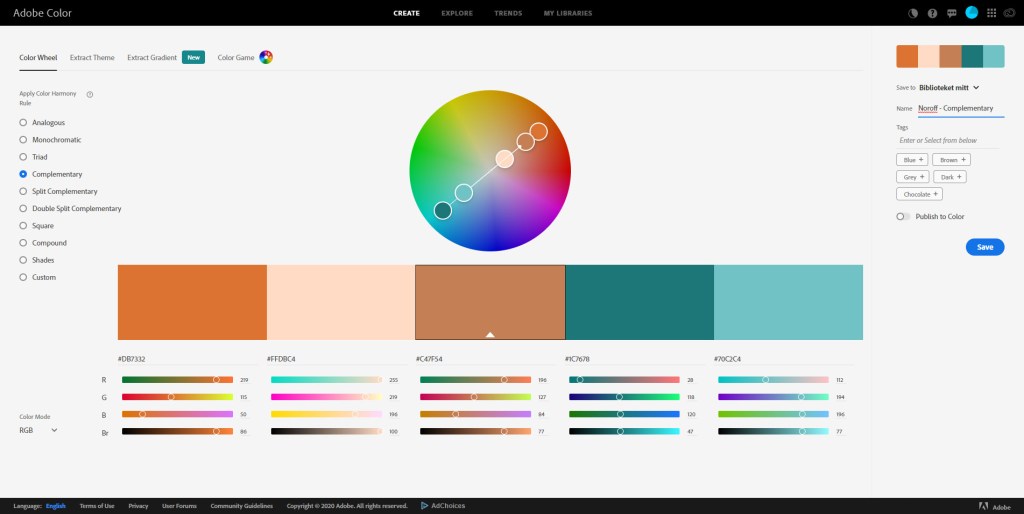
Complementary
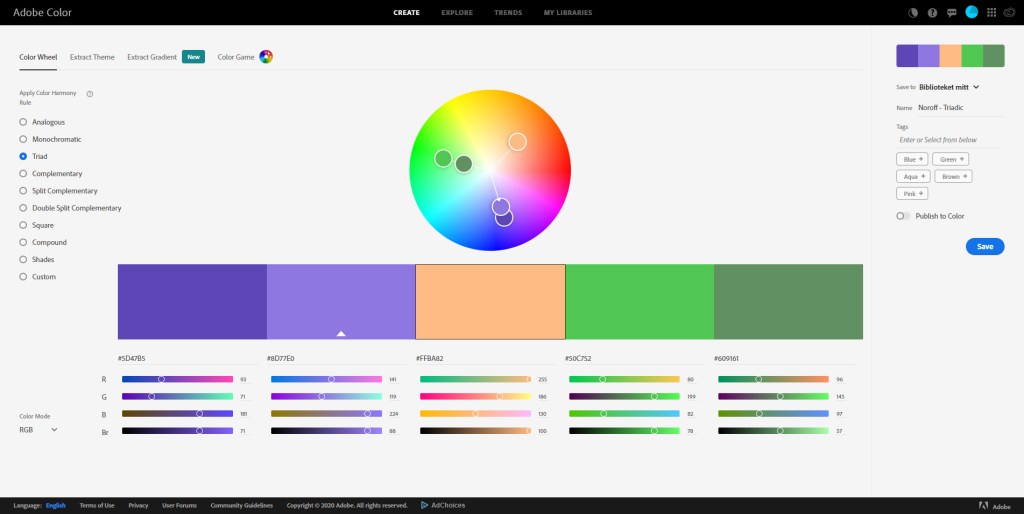
Triadic
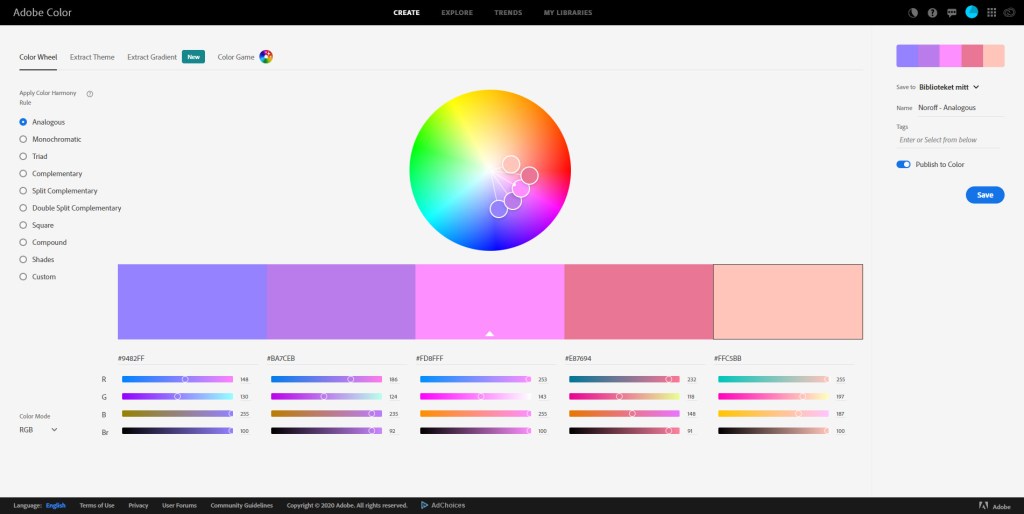
Analogous
 My Reflective Journal
Leave a comment