
What is SCAMPER?
SCAMPER is a creative brain storming tool, started by Alex Osborn, and refined by Bob Eberle. This method asks a series of questions, which will help in creating a new product or improving an existing one. These are some example questions (from http://www.mindtools.com), which are part of the acronym S.C.A.M.P.E.R.:
Substitute:
- What materials or resources can you substitute or swap to improve the product?
- What other product or process could you use?
- What rules could you substitute?
- Can you use this product somewhere else, or as a substitute for something else?
- What will happen if you change your feelings or attitude toward this product?
Combine:
- What would happen if you combine this product with another, to create something new?
- What if you combine purposes or objectives?
- What could you combine to maximize the uses of this product?
- How could you combine talent and resources to create a new approach to this product?
Adapt:
- How could you adapt or readjust this product to serve another purpose or use?
- What else is the product like?
- Who or what could you emulate to adapt this product?
- What else is like your product?
- What other context could you put your product into?
- What other products or ideas could you use for inspiration?
Modify:
- How could you change the shape, look, or feel of your product?
- What could you add to modify this product?
- What could you emphasize or highlight to create more value?
- What element of this product could you strengthen to create something new?
Put to Another Use:
- Can you use this product somewhere else, perhaps in another industry?
- Who else could use this product?
- How would this product behave differently in another setting?
- Could you recycle the waste from this product to make something new?
Eliminate:
- How could you streamline or simplify this product?
- What features, parts, or rules could you eliminate?
- What could you understate or tone down?
- How could you make it smaller, faster, lighter, or more fun?
- What would happen if you took away part of this product? What would you have in its place?
Rearrange:
- What would happen if you reversed this process or sequenced things differently?
- What if you try to do the exact opposite of what you’re trying to do now?
- What components could you substitute to change the order of this product?
- What roles could you reverse or swap?
- How could you reorganize this product?
The SCAMPER method and McDonald’s
For this week’s Learning Activity I will explore the history of McDonald’s through the lens of the SCAMPER method, and see how they changed and improved to become the successful fast-food corporation that it is today:
Substitute
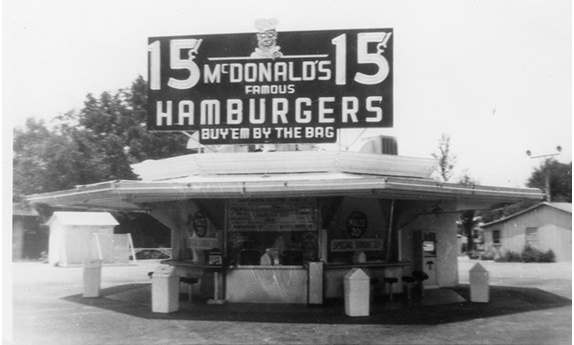
In 1948 McDonald’s substituted their traditional barbecue restaurant with a hamburger-focused restaurant, while also making other changes like having a menu with only a few burger options and shakes. To save money they created an assembly line in the kitchen, The Speedee system, where low-skilled employees did a specific part in the food-making process, instead of using expensive cooks. The low wages and cheap food gave them the edge over the competition.
McDonald’s started to use self-service kiosks where the customers can order what they want, which speeds up the ordering process, then they pick up the food when it’s ready. This is similar to how grocery stores recently started using self-checkout terminals.
Combine
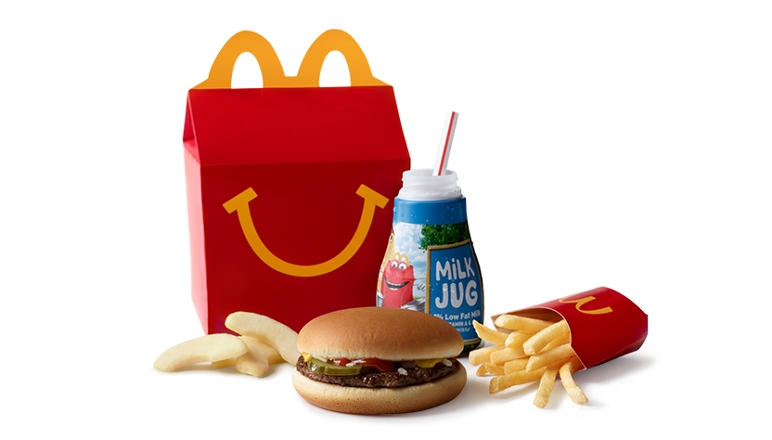
In 1979 the Happy Meal was born. A colorful box combining a small burger menu with a toy, thus offering an appealing product to kids and families, which in addition to hosting birthday parties and having an indoor playground, made McDonald’s a family friendly restaurant.
Adapt
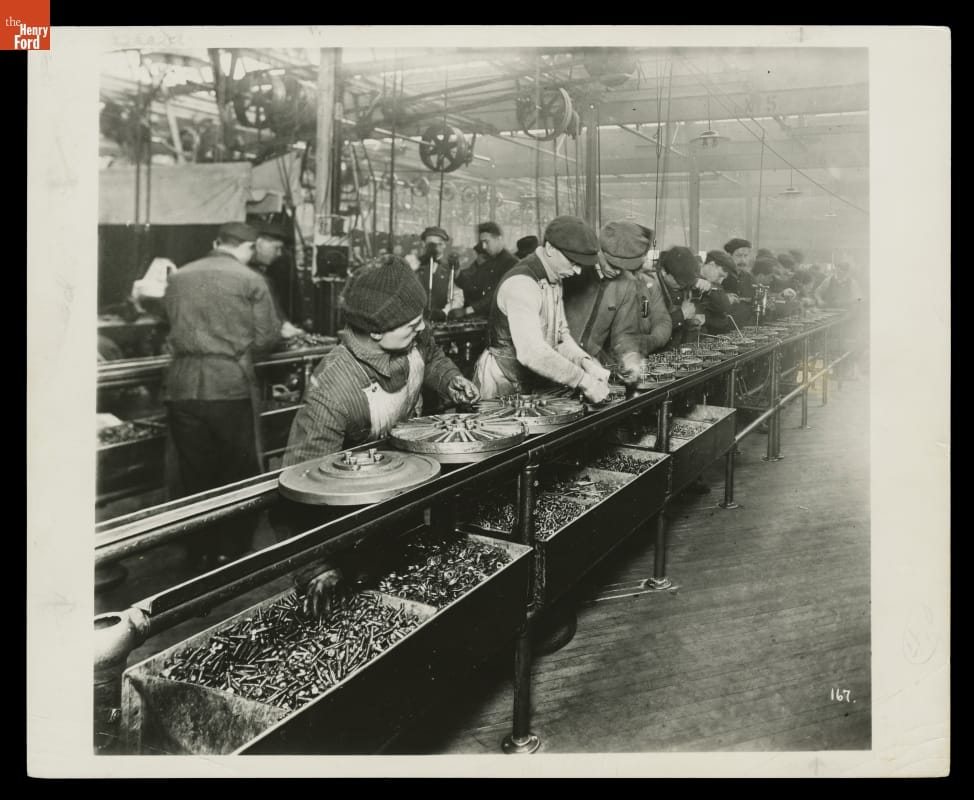
McDonald’s found inspiration in Henry Ford’s assembly line, and used multiple low-cost employees doing their specific task in making a burger, this kept the prices a lot cheaper than what the competitors could offer.
For the ice cream, McFlurry, the Norwegian restaurants started to adapt other products, like Daim, Oreo and O’boy, as optional “sprinkle” flavors.
Modify
The McDonald’s brothers had opened a few restaurants around USA, but expansion wasn’t their main focus. This changed in 1954, when the new owner, Ray Krock, wanted to build, expand and maximize the franchise even further.
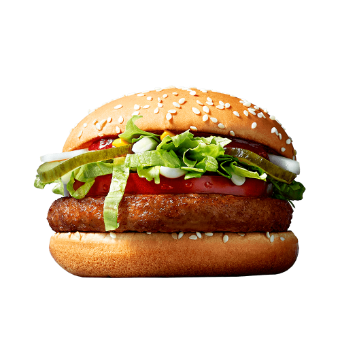
While their menu started off with a few burger options, they have added a lot since. In more recent times McDonald’s have started to offer vegan and vegetarian burger options to cater to a big group of previously unavailable customers.
Put to another use

In 1974 McDonald’s helped open the first Ronald McDonald Charity House. While an independent and non-profit organization, it is primarily sponsored by McDonald’s and their donation boxes. RMCH offers homes close to the hospital, for families with sick children. They have the RMC Mobile, which offers basic healthcare services and education. They also have a Learning Program in Australia.
Eliminate
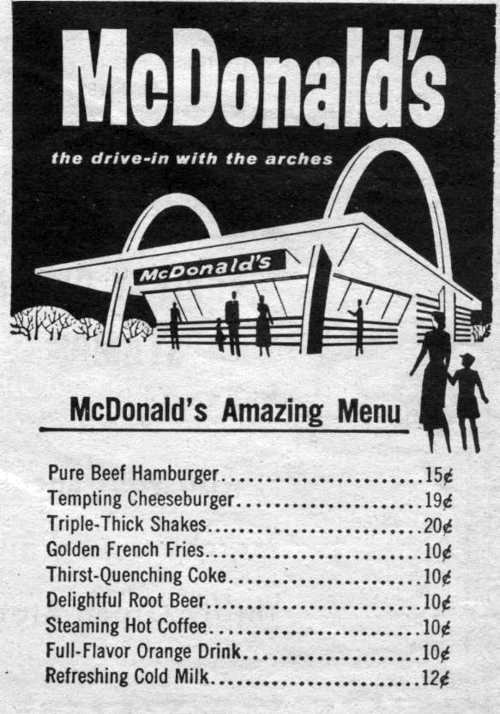
McDonald’s had two adavantages over it’s contemporary competitors in 1948: price and speed. While price was kept lower than the competition by “eliminating” the waiters and waitresses, by using self-service counters. The speed was partly achieved by making the menu smaller, consisting of only a few burger options and shakes. This enabled them to prepare the burgers ahead of time, and keep them warm under high-powered heat lamps.
Rearrange

In 1953 the McDonald brothers wanted their newly designed restaurant to attract attention. The architect, Stanley Meson, solved this by adding two “Golden Arches” with yellow neon, to to make the roof look less flat. While they abandoned this design in 1960, with the “Mansard Roof“, they rearranged the two arches to become the now instantly recognizable McDonald’s logo, the Golden Arches.
Resources:
Mindtools – SCAMPER: Improving Products and Services: https://www.mindtools.com/pages/article/newCT_02.htm
McDonald’s – Giving back with Ronald McDonald House: https://www.mcdonalds.com/us/en-us/community/giving-back-with-ronald-mcdonald-house.html
McDonald’s – History: https://corporate.mcdonalds.com/corpmcd/about-us/history.html
The Street – The History of McDonalds: https://www.thestreet.com/markets/history-of-mcdonalds-15128096
Encyclopedia Britannica – McDonald’s: https://www.britannica.com/topic/McDonalds
 My Reflective Journal
Leave a comment